

In a bold move that highlights the ongoing cyberconflict, the Iranian-linked hacking collective Handala has breached the personal email account of FBI Director Kash Patel. This breach, coupled with the group's escalating online presence, appears to be a direct response to recent actions taken by the United States, specifically the seizure of Handala’s online infrastructure. The hack exposes more than just personal information—it signals a broader trend of increasing cyber tension in the wake of geopolitical strife.
Handala’s Defiant Response
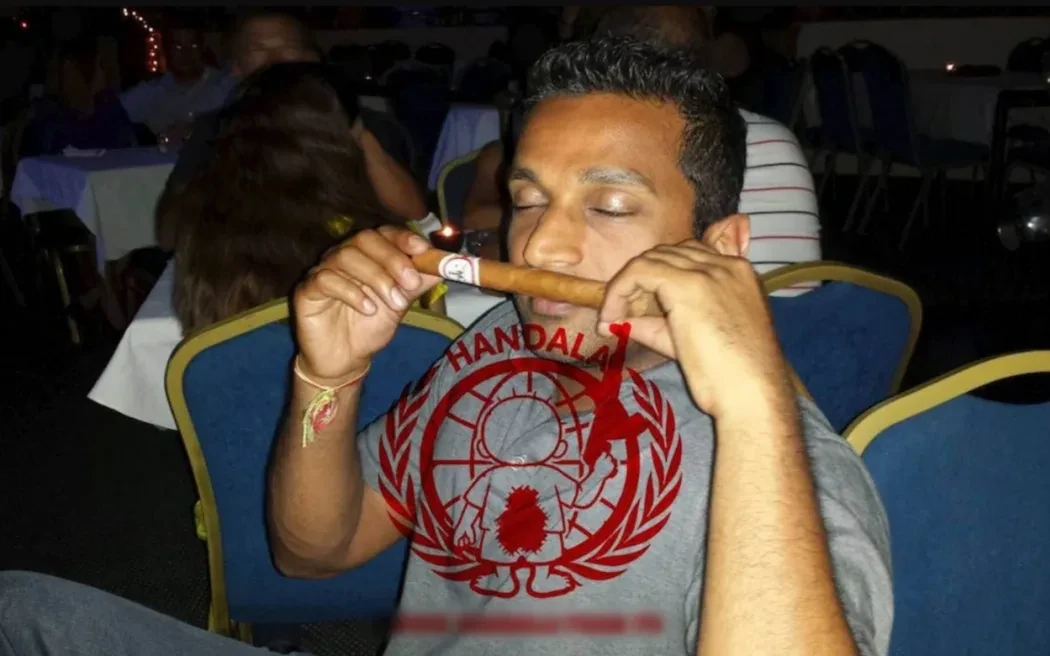
Following the takedown of its websites by the U.S. Department of Justice (DOJ), Handala wasted no time in retaliating. The group, which has previously targeted various entities connected to Israel and the U.S., launched a public campaign showcasing the breach of Patel’s personal Gmail account. The group posted a collection of personal photos and documents, including images from Patel’s private life. These images, including casual photos of him enjoying cigars and luxury items, were paired with claims of accessing more sensitive files.
Handala’s declaration was clear: the FBI’s actions had not gone unanswered. The group framed the breach as a way to remind the world of its capabilities, with a message aimed not only at the U.S. but at those who believe in the infallibility of major government institutions. For Handala, exposing the personal vulnerabilities of someone as high-profile as the FBI Director is an act of defiance against what it sees as a broader suppression of its cause.
The Scope of the Breach
While the leaked documents consisted mainly of personal information, such as images from Patel’s everyday life, the group’s message carried more weight than just embarrassment. Handala implied that they had gained access to a far larger trove of data, including emails and potentially classified materials. While the authenticity of these claims remains to be fully verified, the leak also includes personal correspondence from as far back as 2010. The files span nearly a decade of Patel’s private and professional life, and even though the FBI has stated that no government systems were involved, the breach still poses a significant risk.
Security experts warn that breaches like these can expose far more than just the files themselves. With the right personal details, attackers could use this information to launch more targeted attacks—whether it’s phishing, social engineering, or other types of exploitation that could increase the vulnerability of government officials and businesses alike.
Handala’s Growing Threat
Handala’s breach of Patel’s inbox is just one part of a larger, ongoing series of cyberattacks that the group has been orchestrating. Known for its pro-Palestinian stance, the collective has expanded its activities in direct retaliation to Western actions, particularly after the conflict between the U.S., Israel, and Iran escalated. The group has previously claimed responsibility for significant disruptions, including cyberattacks on major companies like Stryker, a U.S.-based medical technology firm, and threats against aerospace giant Lockheed Martin.
The recent uptick in Handala’s activity is part of a broader trend of increasingly aggressive cyber operations coming from Iran-linked hacker groups. With infrastructure and resources seized by the U.S., Handala quickly regrouped, establishing new channels to continue its cyber campaigns. The message is clear: cyber warfare is not confined to traditional military operations anymore; it is a front where digital actors can engage with governments and corporations alike, often with devastating results.
Cybersecurity Implications and Broader Risks
The Patel hack, while largely symbolic, also illustrates a disturbing shift in the way conflicts are being fought in the digital age. The breach shows that high-ranking individuals are vulnerable to attacks, even if those attacks do not directly target government infrastructure. The leaks not only damage reputations but could also expose vulnerabilities in a wider network, giving attackers the tools they need for future operations.
For organizations and governments, this event is a stark reminder of the importance of robust cybersecurity measures. While personal breaches like this may seem minor in the grand scheme of things, they can pave the way for more sophisticated attacks. Experts highlight the dangers posed by seemingly innocuous data, such as personal emails and contact lists, which can open doors to more damaging consequences. Handala’s earlier attack on Stryker, for instance, showed just how quickly seemingly small data breaches can escalate into large-scale disruptions.
Conclusion
The Handala hacking group’s activities reveal much about the evolving nature of cyberconflict, particularly in the context of ongoing geopolitical tensions. While this specific breach may not cause immediate harm to national security, it is a warning sign of the growing capabilities of state-backed hacktivists. As Handala continues to broaden its scope, it raises crucial questions about the security of personal information, the resilience of institutions, and the future of digital warfare. The world is watching as these cyber operations evolve, and it is clear that the line between traditional warfare and cyberattacks is becoming increasingly blurred.





















0 Comments