

It might come as a surprise to some, but Russia has long been home to one of the largest darknet market scenes in the world. From platforms like Hydra, which handled billions in transactions and left an unmatched legacy, to current giants like Kraken and Blacksprut, Russia continues to dominate the space. The country also has a significant drug market, with the majority of its drug transactions taking place on the darknet. Most of these sales involve dead drops rather than traditional shipped orders.
The Russian Darknet Bubble
The darknet scene in Russia has long operated in isolation from the rest of the world. While many countries have seen the darknet evolve into a global network with markets spanning across regions, Russia's darknet scene has always been centered around its own domestic marketplaces and regional forums. Platforms like RuNet, RuTor, Paseramos, and others have played a key role in facilitating the local darknet community, not just in Russia, but across many of the former Soviet regions as well.
When it comes to the market scene, things are a bit more complicated. For a long time, the Russian darknet was primarily dominated by one infamous marketplace: Hydra. Launched in 2015, Hydra quickly became the largest darknet market in existence. By 2022, it was handling over $1 billion in revenue. However, that same year, German authorities seized Hydra’s infrastructure, leaving a massive gap in the market. This created an opening for newer, smaller markets, unable to match Hydra's scale, to rise to prominence. Among the biggest winners in this shift were Kraken and Blacksprut, with Kraken emerging as the more dominant player today. Some recent reports suggest that Kraken has now surpassed Hydra's peak and is likely the largest darknet marketplace to ever exist.
The Dead drop Distribution System
Most vendors on these darknet markets operate using dead drops. While traditional mail orders are available for some lower-risk items, depending on the vendor, they are uncommon. Many of the larger vendor shops function in a highly professional manner, significantly minimizing their risk. These operations typically have a chain of command, where products are sourced and stored in remote locations, such as being buried in a forest, for example.
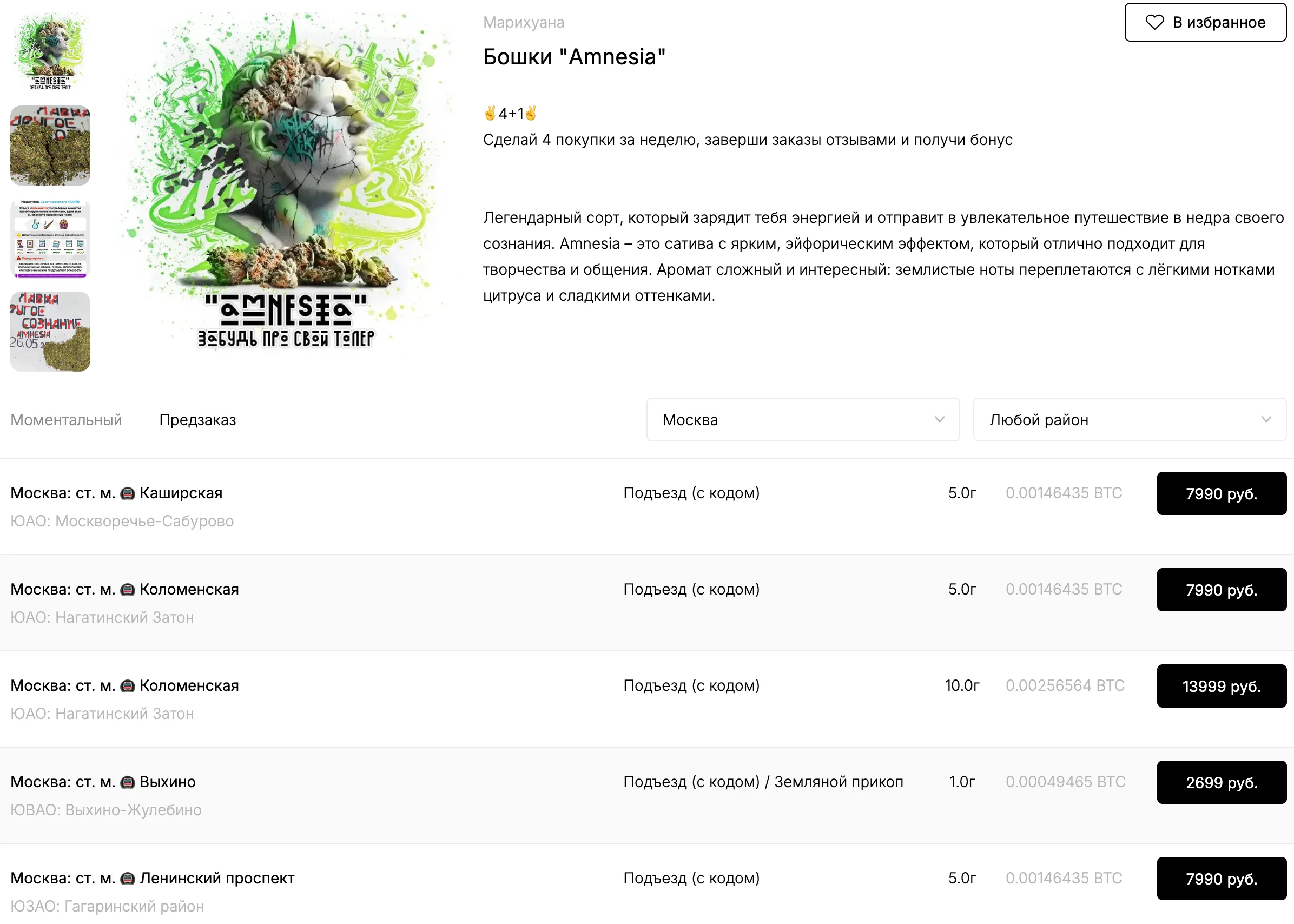
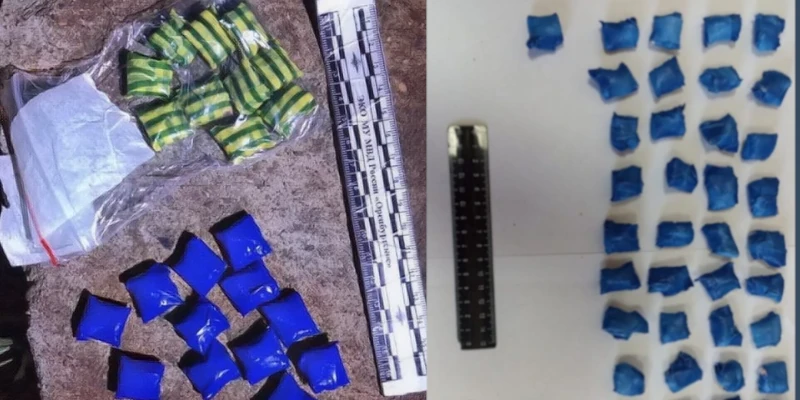
These shops often advertise job positions for dead drop distribution workers, recruiting applicants from within local regions on the market. The applicant buys a large batch of products at a reduced price from the market and retrieves the items from the designated location. Once in possession of the products, the worker, now the distributor, breaks them down into smaller packages, weather seals them, and hides them in locations throughout the city, making them easier for customers to find.
It's also the distributor's responsibility to take photos of the exact locations where the products are hidden, digitally marking the spots so the buyer knows where to look. These distributors use special camera apps that embed the precise coordinates into the pictures. Afterward, they must send all the images and location details to the shop to restock the inventory. Once the items are sold, the distributor keeps the profits, as they've already paid the shop for the bulk purchase. Essentially, the shop owner profits from the initial bulk sale, facilitates the smaller sales, builds their reputation, recruits more workers, and continues selling in bulk, increasing profits.
The Customers Experience
When a buyer registers on one of these marketplaces, they must select their exact city. The market then displays only the products available in that city, typically covering a wide range of categories. The customer selects the product they want, and the market lists the available amounts, prices, and a rough location for each item. The customer then chooses an item within their region of the city and purchases it using pre-deposited funds.
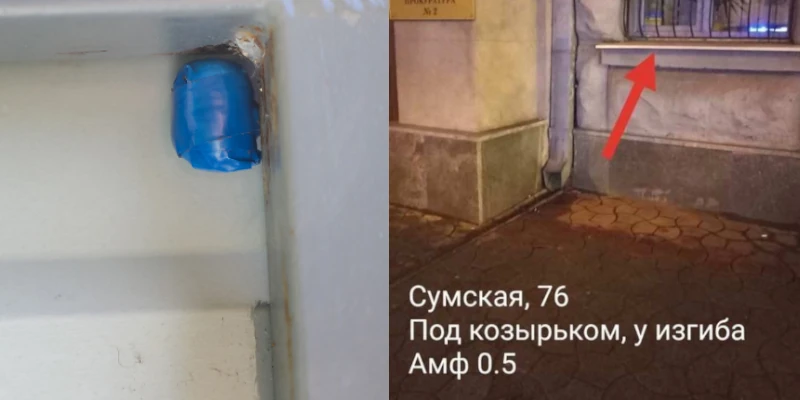
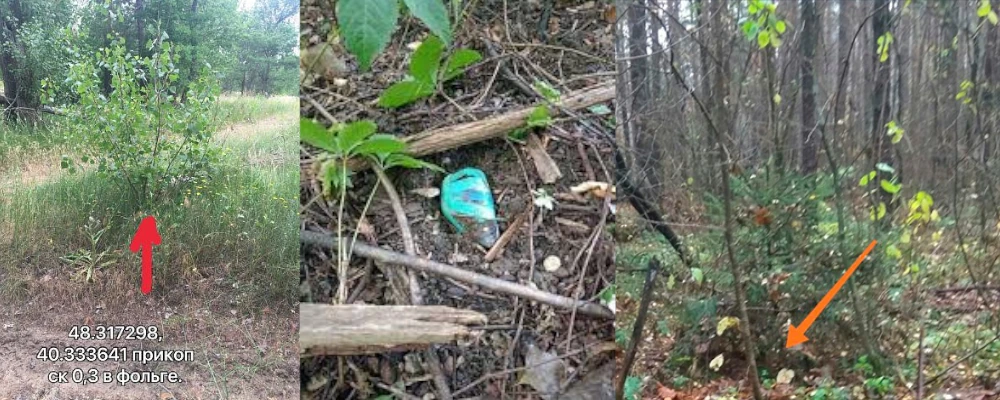
Customers can also choose the type of dead drop they prefer, with multiple types becoming popular and standardized. One option is the "buried dead drop", typically precisely marked and buried just a few centimeters underground, or deeper depending on the item’s size. Another type is the "magnetic dead drop", which usually features a small magnet attached to it and is well hidden behind everyday metal objects in cities, such as metallic railings or inside pipes. One of the most common types is the "stone" or "stealth" dead drop, where the item is disguised as a rock or in som reported cases even dog poop and hidden in plain sight in the city. These dead drops are carefully marked in the images to help the customer locate them.
The market automatically delivers the images and all corresponding information that was pre-attached to the specific listing by the vendor. The images contain precise coordinates of the location where the product is hidden, usually marked with the exact spot down to a few centimeters. The market typically also provides a description with any special instructions, such as if the item is magnetically attached behind a metal railing or buried a few centimeters underground.
More or Less Risk?
Depending on the circumstances, dead drops can be a double-edged sword. As a customer, it can be safe if you're cautious, keeping your images encrypted and not openly digging around a crowded park makes for a relatively simple experience. However, working for one of these shops presents a different story. It may seem risk-free at first, but there are numerous cases of distributors facing harsh penalties.
Beyond the conventional risks of being caught, there are rumors of situations where a vendor may have a fallout with a distributor, whether due to their quality of work, trustworthiness, or even personal reasons. In such cases, the vendor might deliberately betray the distributor. There are many documented instances of Russian authorities discreetly waiting for hours at dead drop locations, ready to intercept when the distributor comes to collect the drugs.
The Convenience
Dead drops offer a whole different experience, and some would argue they’re far more convenient than traditional darknet distribution methods. You can access them at any time, instantly, with no waiting required. However, despite the convenience, there are still many cases of inconveniences. After translating user experiences from the Kraken market forum, we found several complaints from users facing issues.
Just like with traditional drug shipping, receiving what you paid for isn’t always guaranteed. While dead drops tend to be more reliable than shipping, there are instances of distributors scamming customers, stealing items while still uploading images. Other complaints include distributors being unprofessional, failing to mark the images properly, making customers search a large area for a tiny burried package. Additionally, the items are often wrapped in bright materials, and if not hidden well, packages can be easily stolen by passersby.
Disputes
When issues arise, they are typically resolved through the market’s dispute system. On a platform like Kraken, this consists of over 100 moderators working 24/7. Customers must upload images to showcase their experience, and if the market fails to resolve the issue or provide a refund, moderators review the case and pick a side. In addition to the dispute system, comprehensive reviews are critical for identifying unreliable distributors or vendors.
Conclusion
While dead drops are not exclusive to the Eastern Bloc, they remain dominant in the region, with traditional shipped items still being the standard in the Western Bloc. This could explain why, despite having a much smaller population, Russia continues to dominate the darknet sector. The local, private nature of dead drops might offer a safer alternative for conducting drug trades online. As shipping becomes increasingly complex and risky, it seems likely that this model will continue to grow and eventually become the global standard.





















0 Comments