

Some call bitcoin mixers nothing more than money-laundering tools, and for good reason: their stated function is to obscure the origin of coins. Bitcoin’s blockchain is fully public — every transaction is recorded and traceable — so mixers attempt to break the obvious chain between a sender and a recipient. They pool coins from many users, shuffle amounts around, and send out “cleaned” outputs that appear to come from multiple sources. That sounds useful for privacy, and it can be — but it’s also precisely why these services are a magnet for criminal investigations. Mixing itself is a technique; whether it’s legal depends entirely on how it’s used. For readers coming from darknet spaces, the hard truth is this: a mixer can reduce the ease of tracing, but it does not guarantee safety from seizure, logs, or law enforcement analysis.
The Rise of Cryptocurrency Mixers
Mixers rose in popularity as the limitations of Bitcoin’s privacy became obvious. Early adopters thought BTC was anonymous, but the reality is that blockchain analytics companies, exchanges with strict KYC/AML rules, and cooperating law enforcement can connect addresses to real identities. People who trade on darknet markets, handle sensitive operational funds, or simply want plausible privacy turn to mixers because they appear to give a quick way to break linkages. Historically some markets even offered built-in mixing. But that convenience comes with a dependency: you are entrusting a third party with at least temporary control or knowledge of your flows. That trust is the single biggest weakness in using mixers.
How Bitcoin Mixers Work
At a basic level the process is simple: coins you send to a mixer get split into many small chunks, mingled with other users’ chunks, and new coins are sent out to addresses you specify. More advanced services add time delays, randomized output sizes, and multiple hops to make analysis harder. But the core model always involves centralization of some sort — whether an operator-controlled server, custodial wallets, or a scripting system that could be audited later. That centralization is a point of failure. If the operator keeps logs, if a server is seized, or if the operator is compelled to cooperate with authorities, the “unlinkability” can evaporate. Mixers that claim to be “trustless” or “non-custodial” are not all equal; technical promises need independent review and real-world track records.
Seizure, Logs, and Exposure
This is where the rhetoric must be blunt: mixers get seized. Major services have been taken down by authorities, and when that happens, any data the operator retained — transaction logs, deposits, timestamps, withdrawal mappings, user IP logs, or account records on accompanying infrastructure — can be exposed. That exposure can instantly link supposedly anonymized outputs back to original users. Even if a service claims it keeps no logs, other traces can remain: timing correlations, reuse of addresses, or metadata captured by collaborating websites and exchanges. Law enforcement uses sophisticated blockchain analytics plus traditional investigative techniques (subpoenas to exchanges, server seizures, network logs) to reassemble webs of transactions. For anyone on darknet platforms, that means a seized mixer can turn from a privacy tool into an evidence trove that points straight at you.
Real-World Consequences of Using Bitcoin Mixers
Despite the privacy benefits mixers promise, their use can come with severe consequences, especially when law enforcement targets them. Several high-profile mixer takedowns have demonstrated the risks involved, particularly the exposure of user identities and the unraveling of previously "anonymized" transactions.
For instance, Helix, a Bitcoin mixer popular on the Silk Road, was seized by the U.S. Department of Justice in 2017. Its operator, Blake Benthall, was arrested, and the mixer’s transaction data was used to link users to illegal activities, underscoring how mixers used in conjunction with criminal enterprises can become significant evidence in investigations. Similarly, in 2023, ChipMixer was dismantled by German authorities. Despite claims of privacy, the service was exploited by cybercriminals, and its seizure exposed user transaction data, implicating those involved in illicit activities like ransomware.
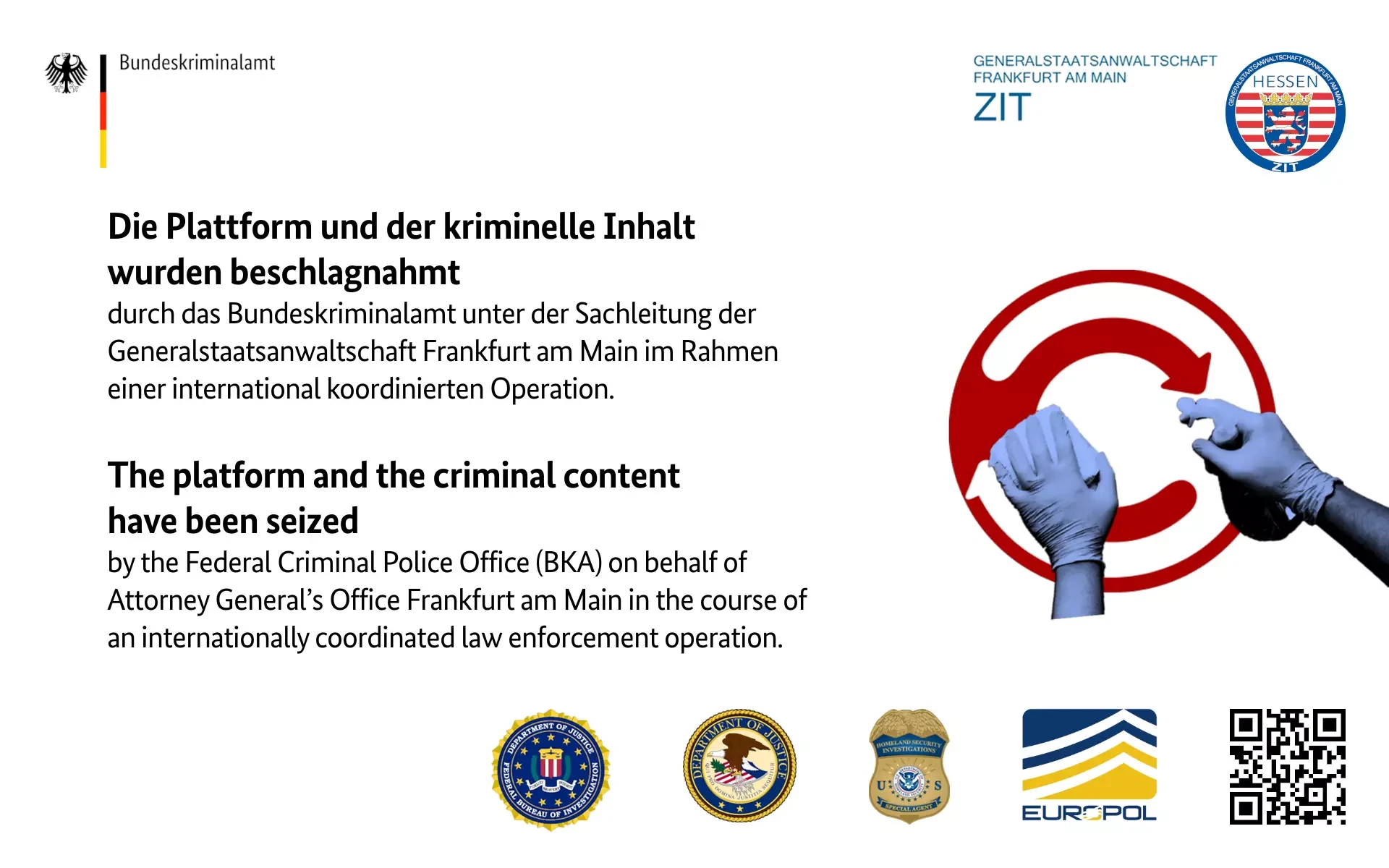
Other mixers, like BitMix and Bitcoin Fog, faced similar fates, where authorities were able to access transaction logs, effectively revealing the true identities of users. In each of these cases, mixers that were once believed to offer anonymity were quickly turned into evidence-gathering tools by law enforcement. These incidents highlight that even if a service promises privacy, the centralized nature of mixers leaves them vulnerable to being seized, leading to the exposure of users' financial activity.
Beyond Bitcoin — Other Mixers and Privacy Coins
While the discussion often centers on Bitcoin, mixers and privacy choices exist across crypto. Ethereum, Litecoin and other chains have mixing tools and “privacy-enhancing” services, but many suffer similar centralization risks. By contrast, privacy coins like Monero and certain Zcash configurations are built with privacy at the protocol level: ring signatures, stealth addresses, and (in some setups) zero-knowledge proofs make tracing far more difficult without very deep, targeted compromises. For people whose threat model is serious — operators, high-risk vendors, or anyone relying on persistent anonymity — privacy coins offer a stronger, more durable privacy guarantee than handing funds to a third-party mixer that could be seized or compromised.
Should You Use Bitcoin Mixers?
Short answer: if you value privacy and are operating in hostile or high-risk environments, you should assume mixers are fallible and avoid relying on them as a single line of defense. If a mixer is your strategy, you must accept that a seizure or an operator’s cooperation can expose you. For those reasons, the safer, more resilient route is to use privacy-oriented coins and to follow strict operational security: separate identities, never reuse addresses, compartmentalize funds, and avoid linking crypto accounts to real-world identifiers. If you choose a mixer anyway, understand you are trusting a service run by unknown operators; that trust can be broken, and when it is, the consequences can be severe.
Conclusion
Mixers can obscure transaction trails — sometimes well, sometimes poorly — but they are not a guaranteed shield. Services have been taken down, and seizures have revealed data that unmasked users. For anyone operating on darknet markets or running activities where exposure carries major legal or personal risk, privacy coins are the more robust option: they remove the single point of failure that centralized mixers represent. If privacy truly matters to you, treat mixers as an inferior, risky tool and prioritize protocol-level privacy, rigorous OPSEC, and the assumption that any central service can be compromised or seized.




















0 Comments