

In a significant operation led by law enforcementin Europe, the notorious cryptocurrency mixing platform, Cryptomixer, has been shut down after years of operation. Authorities claim that the platform has been facilitating money laundering on a massive scale. The platform, active since 2016, helped people hide the origins of bitcoin, making it a prime tool for laundering funds tied to everything from ransomware attacks to drug trafficking. During the coordinated takedown between November 24 and 28, authorities seized critical infrastructure in Switzerland, including three servers, the platform's domain, and almost $30 million worth of bitcoin. On top of all that, authorities managed to obtain a critical amount of data that can become very crucial over time.
About Mixers and Cryptomixer
Cryptocurrency mixers, also known as tumblers, are services designed to obscure the origin and destination of cryptocurrency transactions. Since blockchain technology records every transaction on a public ledger, it’s possible to trace the movement of funds between wallets. Mixers address this by pooling users’ cryptocurrency and redistributing it in random amounts, breaking the transaction trail and making it difficult to trace the original source. While some use these services for privacy, they have become popular tools for cybercriminals looking to launder illicit funds from activities like ransomware attacks and fraud.
Cryptomixer, first launched in 2016, quickly grew into one of the largest platforms in this space. It catered mainly to cybercriminals by providing a secure way to mask the origin of stolen bitcoin, facilitating more than one billion dollars in laundered funds. The service operated on both the regular internet and dark web, with a reputation for its ability to hide criminal proceeds. With long deposit times and randomized transactions, Cryptomixer became a go-to for those involved in ransomware schemes, drug trafficking, and other illegal enterprises. Its shutdown marks the end of a major tool for money laundering in the cryptocurrency world.
About Operation Olympia
Operation Olympia was carried out over several days in late November 2025, targeting the physical and digital infrastructure that kept Cryptomixer running. The action centered on Zurich, where the platform’s servers were located. Teams moved in to secure three machines that hosted both the clear‑net and dark‑web versions of the service. These seizures were coordinated so the servers went offline simultaneously, reducing the chance for data to be wiped or relocated.
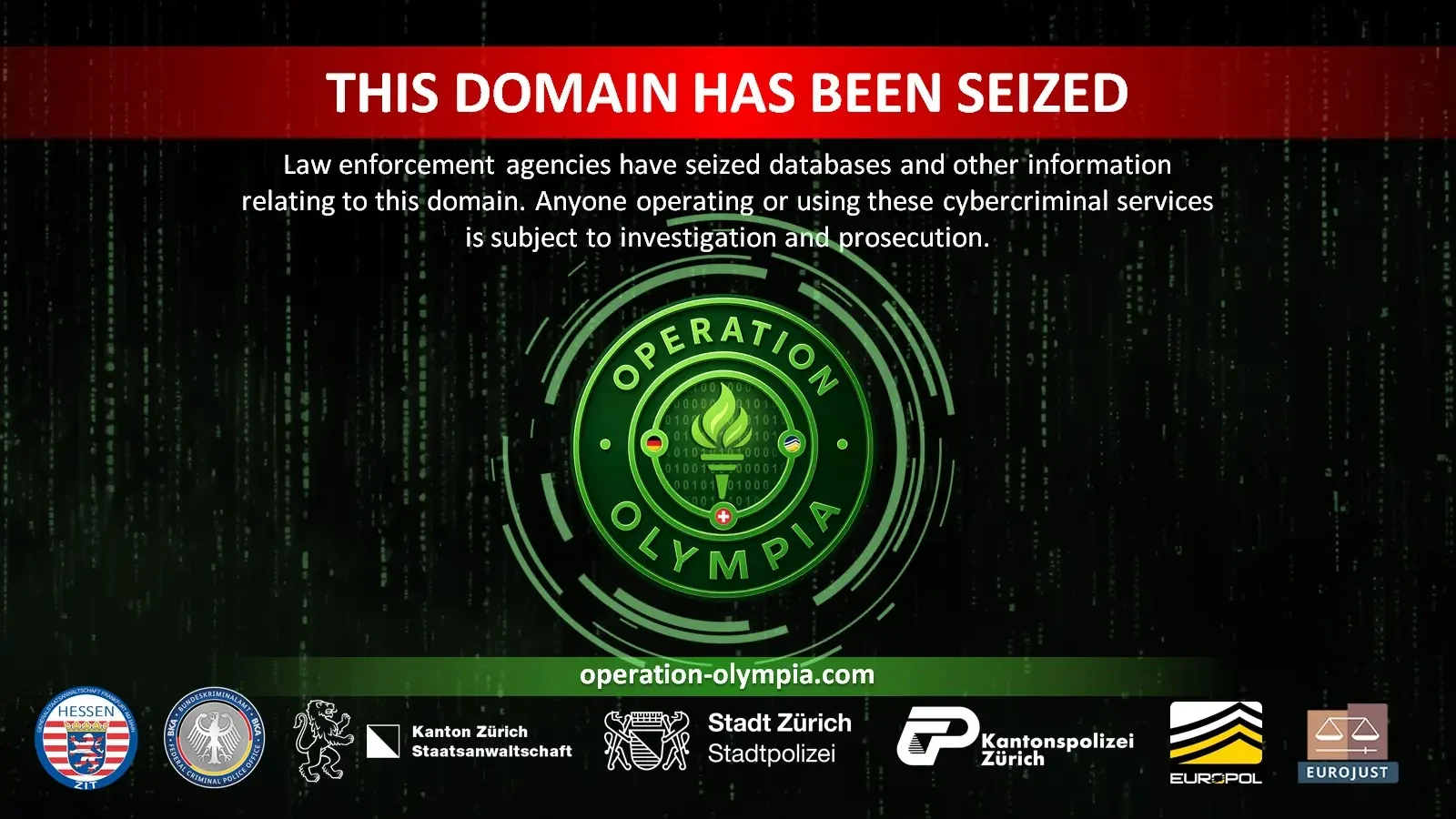
During the operation, investigators collected more than 12 terabytes of stored data. Although authorities have not detailed the contents, the size suggests the material could include operational logs, transaction-related metadata, and other backend information accumulated since 2016. In parallel with the server seizures, the cryptomixer.io domain was taken over and replaced with a seizure notice, effectively locking out users and preventing any further withdrawals or deposits.
The operation involved multiple agencies from Switzerland and Germany, with Europol acting mainly as a communication hub and providing forensic specialists on-site. Their role included imaging drives, preserving digital evidence, and helping synchronize the timing between countries. The seizure also encompassed the cryptocurrency still held within the platform at the moment of the takedown, valued at over 25 million dollars.
The Problem With Mixers
One of the most significant issues with cryptocurrency mixers is the inherent trust users must place in the service. Mixers operate on the premise that they will maintain no logs and store no data that could be used to trace transactions. In theory, this ensures privacy, as the platform obfuscates the origins of the funds. However, the reality is far less certain. While many mixers claim to be "no log" services, the risk remains that they could store data for future use or be forced to provide it to authorities. The implications of this are clear in cases like the takedown of Cryptomixer. Authorities seized over 12 terabytes of data, a massive amount that could include detailed records of every transaction mixed through the service since its inception.
This data is critical, as it directly undermines the very purpose of using a mixer: to hide the origin of illicit funds. With this information now in the hands of law enforcement, each transaction processed through Cryptomixer can slowly be unraveled, revealing the identities and activities of users who thought they were anonymous. This demonstrates the inherent flaw in relying on third-party services for privacy. Privacy coins, such as Monero or Zcash, offer a far more secure solution, as they are designed with true anonymity in mind, meaning they don’t depend on a central service and are resistant to blockchain analysis.
Conclusion
The shutdown of Cryptomixer marks a significant shift in the landscape of cryptocurrency-related crime. With over 12 terabytes of seized data, the transactions processed by the platform are now exposed, and the identities behind them could be uncovered in the years to come. As the analysis continues, it’s likely that many of these transactions will be linked to a range of illicit activities, possibly leading to arrests and further investigations. This operation highlights the risks of relying on services that promise anonymity, especially when they are vulnerable to seizure and data collection.





















0 Comments