


A federal jury in North Carolina has convicted Janusz Pachomow, a 49-year-old man described by authorities as an undocumented immigrant originally from the former Soviet Union, for his role in distributing controlled substances through the U.S. mail system. According to prosecutors, the operation involved shipping drugs such as fentanyl, methamphetamine, and ecstasy to buyers across the United States using methods tied to darknet marketplaces and encrypted communications.
Structure of the Operation
Court information describes a system in which Pachomow reportedly coordinated with individuals based in Europe and Australia. These contacts were said to be connected through darknet platforms where drug transactions were arranged. Orders were reportedly transmitted via encrypted communication channels, including temporary links containing customer details, delivery addresses, and order specifications.
Authorities stated that Pachomow fulfilled these requests from a supply stored at his residence. Payments were reportedly made using cryptocurrency, a method commonly associated with anonymized online transactions.
Use of the Postal System
Prosecutors claimed that the distribution model relied heavily on the U.S. mail. Pachomow sent multiple packages daily, sometimes ranging from a few shipments to nearly twenty per day. To reduce traceability, return addresses on packages were reportedly linked to unrelated local businesses. This resulted in undeliverable parcels being returned to those businesses, which eventually drew attention. Investigators indicated that these irregular returns played a role in identifying the mailing pattern.
International Interception and Evidence
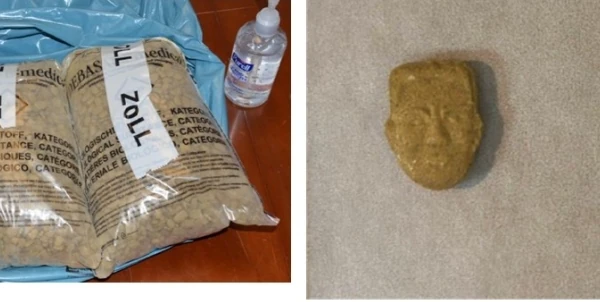
The case also involved international elements. German customs officials reportedly intercepted a package addressed to Pachomow that contained a significant quantity of ecstasy pills. The pills were described as being concealed inside a water heater and shaped in various forms, including pop culture and political figures. During a later search of Pachomow’s residence, authorities stated they found additional substances, packaging materials, and equipment associated with drug handling and shipment.
Law Enforcement Response
Statements released by officials from agencies such as the U.S. Postal Inspection Service and Homeland Security Investigations emphasized the collaborative nature of the investigation. They described coordination between domestic agencies and international partners, including German authorities. Officials framed the case as part of broader efforts to address the use of postal systems and online marketplaces in drug distribution. These remarks reflect their perspective on the investigation and its outcomes.
Conclusion
The case centers on a mail-based drug distribution setup that prosecutors say was tied to darknet activity and international contacts. According to the evidence presented in court, the operation relied on encrypted communication, cryptocurrency payments, and steady use of the postal system to move product across the country. A jury ultimately sided with the prosecution after hearing the details laid out during trial.



























No comments yet — be the first.
Join the conversation
Log in to leave a comment